


The discipline behind every major media debate of the last decade.
The only doctoral program in the world dedicated to Media Ecology.
What do media do to us before we decide what to do with them?
That is the question Media Ecology was built to answer. From AI bias to platform monopolies, from misinformation to algorithmic polarization, every major debate of the last decade traces back to a field that has been asking the right questions since the 1960s.
Founded on the work of Marshall McLuhan, Neil Postman, and Walter Ong, Media Ecology studies how media environments shape perception, thought, and culture.
Not what people do with technology. What technology does to people.
Six reasons this program does not compare.

The only one in the world
No other university offers an accredited doctoral program dedicated to Media Ecology. Not a concentration.
A standalone PhD.

Built with the Institute of General Semantics
Curriculum co-designed with the institution that has carried Alfred Korzybski's lineage since 1938. Access to a global network of researchers, conferences, and publications.
Faculty published in Scopus and Web of Science
Every professor is a working researcher with international networks. Not a single adjunct.

Hybrid modality
Intensive residencies plus virtual sessions. You do not leave your career to pursue a doctorate.

Humanist perspective
Technology is not neutral. Media are not neutral.
The researchers we train understand that.

Instruction in English
Built for the international academic conversation. Publish, present, and teach without language as a ceiling.
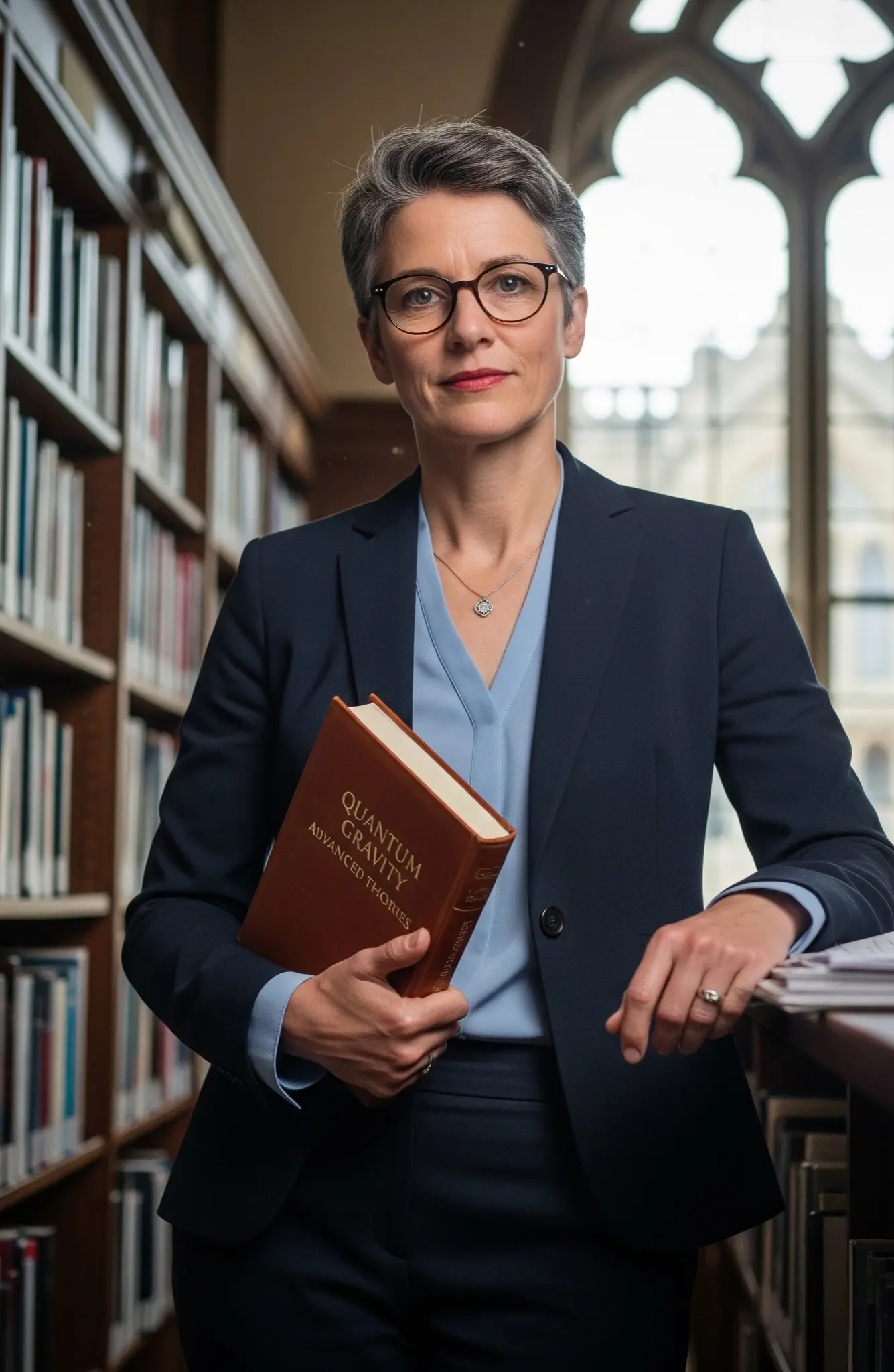
Built for researchers who refuse to study media in a silo.
You have a master's degree, years of professional experience, and a question your current discipline cannot fully answer. You work in communication, philosophy, education, public policy, or technology. The most important problems cross all of those boundaries. You are not looking for another degree. You are looking for the framework and the credentials to do work that matters.
This program is designed for
- University professors and researchers seeking Scopus/WoS publications and senior academic positions.
- Media directors and communication strategists moving from practice to thought leadership.
- Public policy professionals working on digital regulation, AI ethics, or media literacy.
- Senior professionals in technology, platforms, or digital content transitioning into academia.
Six semesters. One dissertation that changes the conversation.
The curriculum is organized around core ecologies (Semantic, Technological, Informational, and Communicational). Each is a distinct lens for understanding how media environments operate.

Five research lines.
You will choose one as the home for your doctoral research:1
Semantic EcologyHow language, symbols, and systems of meaning structure the way we perceive and evaluate the world.
2
Communication EcologyThe study of communicative environments, social relations, and the cultural dynamics they produce.
3
Information EcologyResearch grounded in information theory, cybernetics, and systems thinking, applied to the social and technological environments we now live inside.
4
Technological EcologyThe historical and philosophical study of how technology reshapes individuals and societies, from the printing press to artificial intelligence.
5
Media Ecology (interdisciplinary synthesis)Theoretical, historical, and philosophical research on media as the environments that shape human culture.
Curriculum at a glance.
COURSESFive Required Seminars
8 credits each, 40 credits total- 1. Semantic Ecology
- 2. Communication Ecology
- 3. Information Ecology
- 4. Technological Ecology
- 5. Humanities
Additional Requirements
6 credits each, 24 credits total- 1. Proposal Seminar
- 2. Proposal (Independent Study)
- 3. Dissertation 1
- 4. Dissertation 2
Elective Categories
(minimum 3 from each category, at least 11 credits needed to reach 76)- 1. Arts and Humanities
- 2. Sciences and Social Sciences
- 3. Communication and Media Studies
- 4. Tools: languages, statistics, programming, research methods, etc

Want the full curriculum and course descriptions?
The complete program plan includes detailed syllabi, faculty per course, and admission timelines.
Download the program plan
Working researchers.
Not lecturers.*
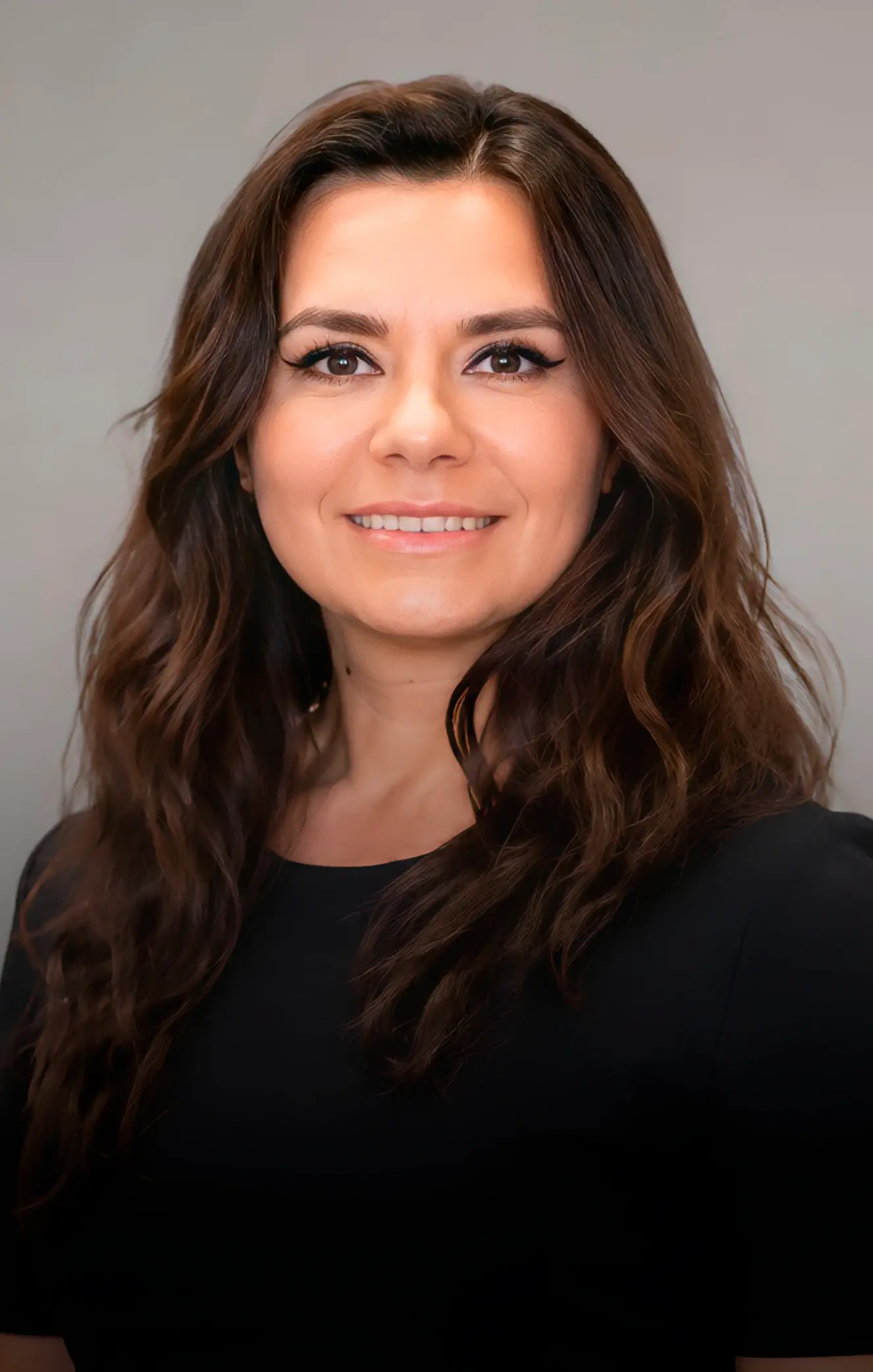
Five professors. Every one holds a doctoral degree from a major international institution. Every one publishes actively in Scopus or Web of Science indexed journals. None of them is an adjunct. The faculty page lists their full bios, research areas, current courses, and links to their published work.
Corey Anton
PhD in Communication
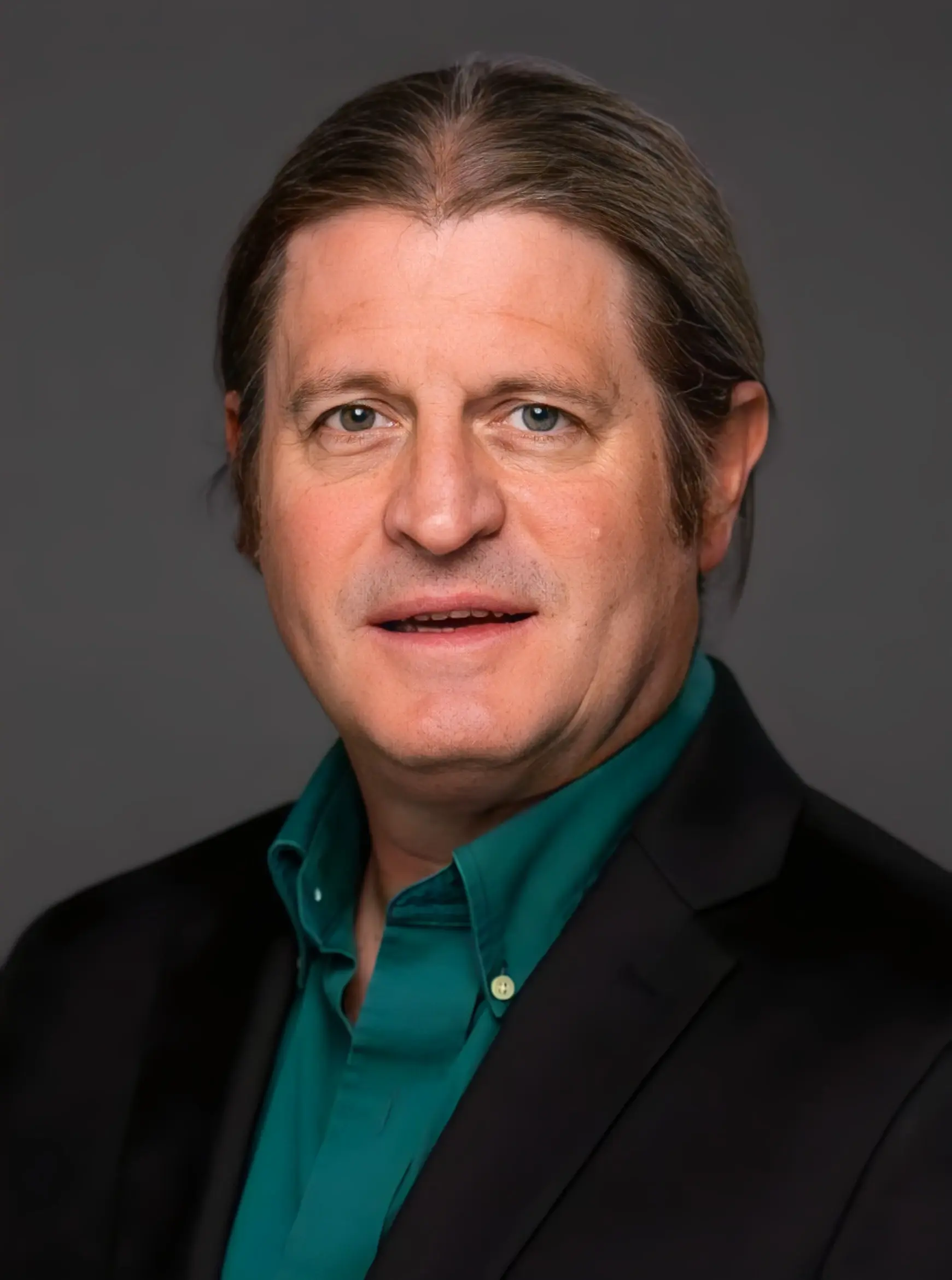
Lance Strate
PhD in Media Ecology
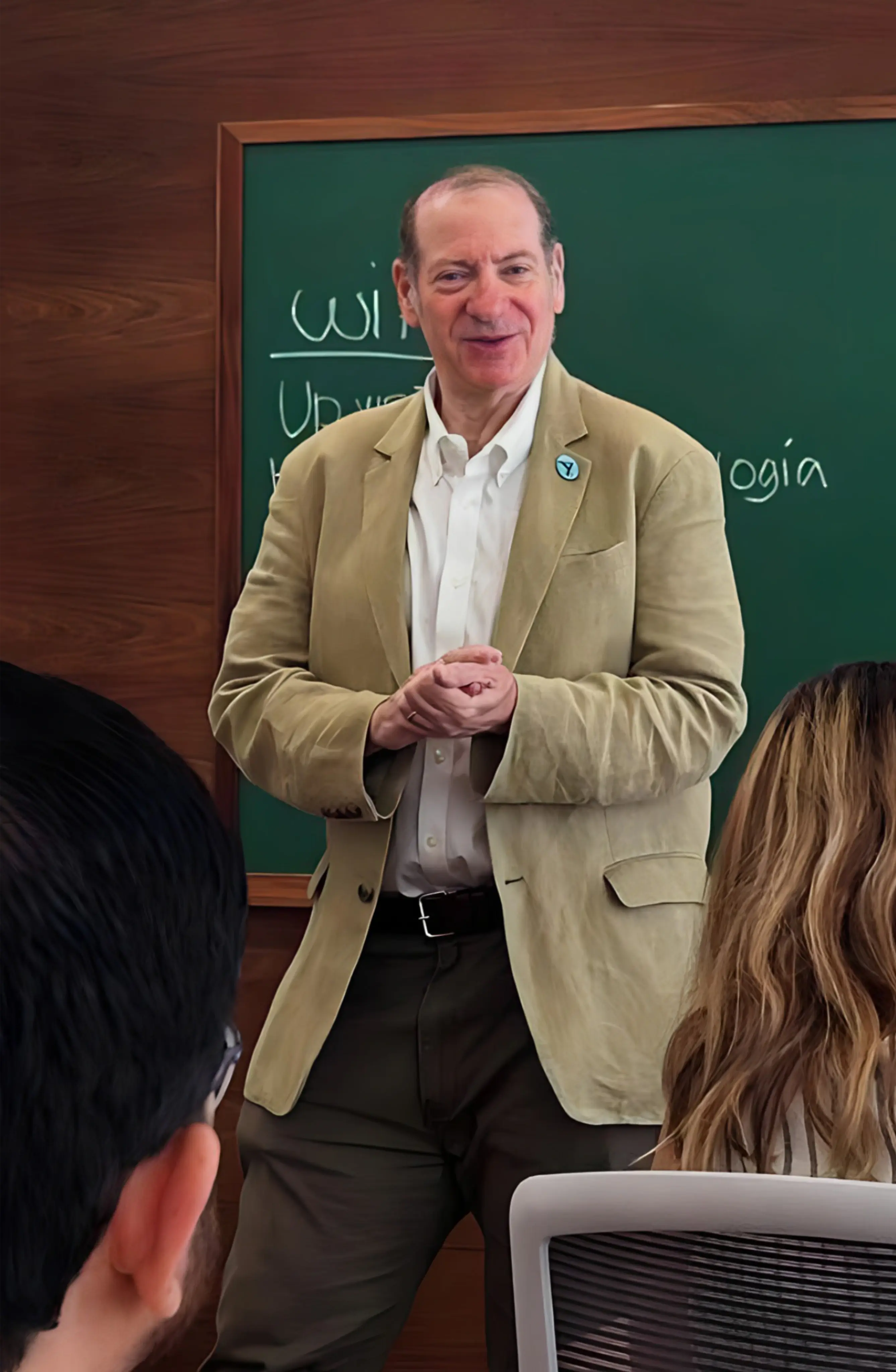
Margaret Cassidy
PhD in Media Ecology
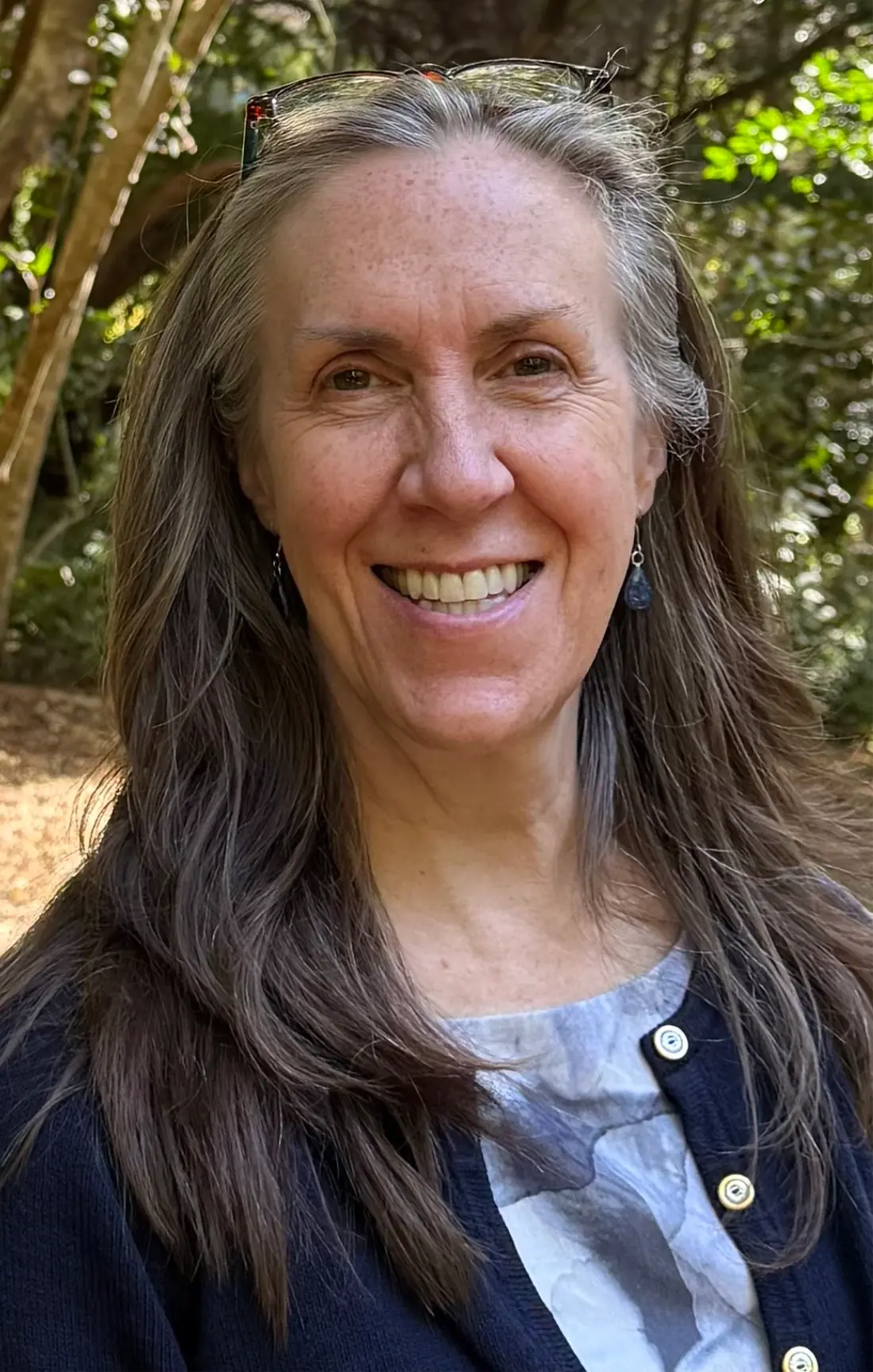
Mariano Emmanuel
Navarro Arroyo
PhD in Communication
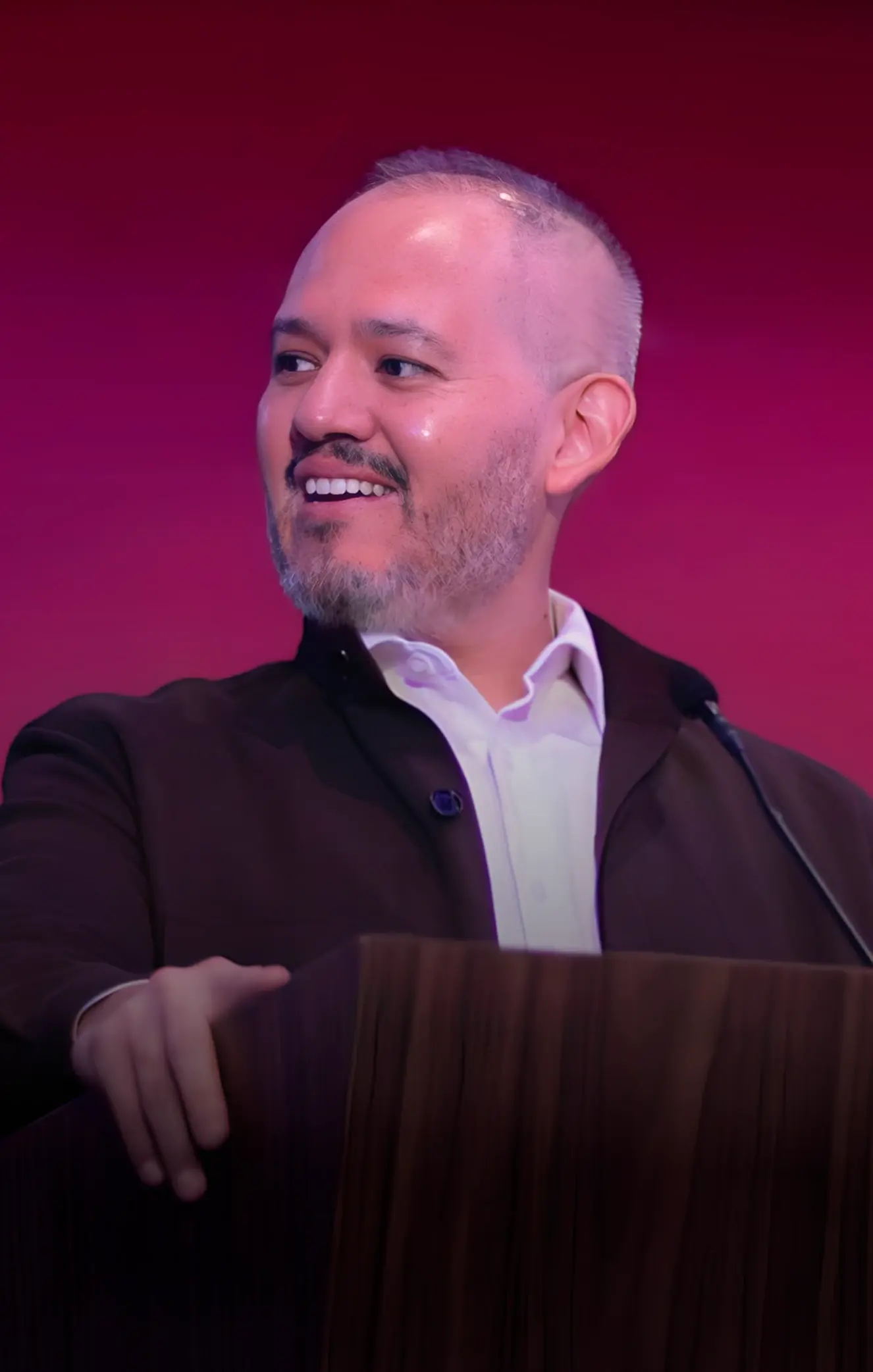
Óscar Colorado Nates
PhD in Information Sciences
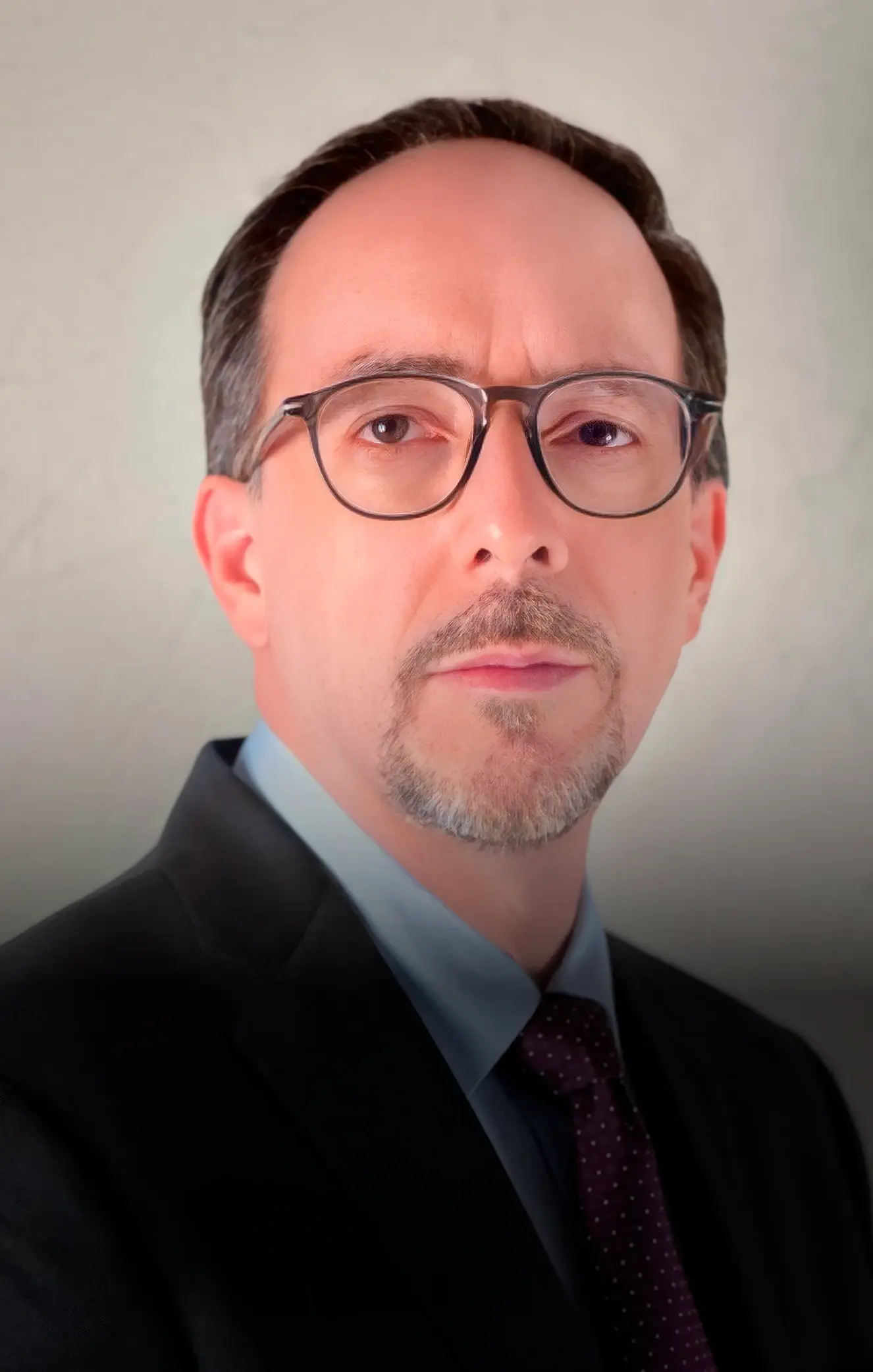
Laura Trujillo Liñán
PhD in History of Thought,
Program Director
A doctorate that does not narrow your work. It widens it.
A PhD in Media Ecology prepares you to lead in any space where media, technology, and human culture intersect. That space is expanding every year.
Academia and research
Senior faculty positions. Direction of research centers. Scopus/WoS publications. Doctoral thesis supervision.
Public policy and regulation
Advisory roles in government. AI and media regulatory frameworks. Collaboration with UNESCO, OAS, OECD.
Digital industries and content
Strategic leadership in tech companies, media organizations, and platform governance. Corporate think tanks.
Strategic consulting
Independent consulting on communication strategy, digital transformation, and media ethics for corporations, NGOs, and government.
International organizations
Research and advisory roles in global think tanks (Reuters Institute, Pew Research, Berkman Klein Center) and multilateral organizations on digital governance.
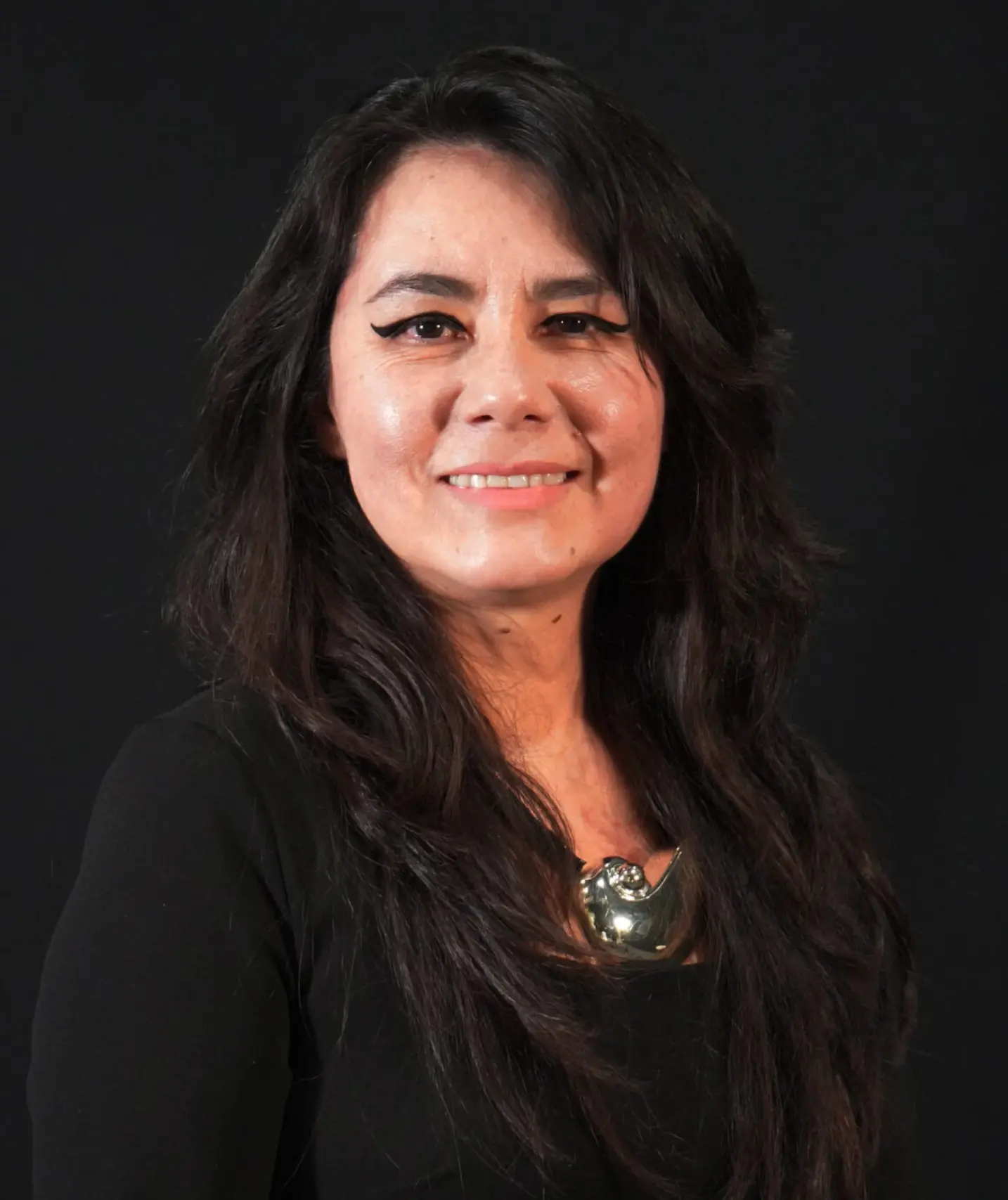
Ready to discuss your research?
Every admitted candidate speaks with Dra. Laura Trujillo before applying. Cohort of seven.
Schedule a call Dra. Laura TrujilloA doctorate is not a degree. It is a community of inquiry.
The program runs an annual rhythm of public lectures, joint symposia with the Institute of General Semantics, visiting scholar residencies, monthly research seminars, and reading circles built around the texts that define the field.
These are not extracurriculars. They are how doctoral candidates form relationships with the international Media Ecology community — and how the community recognizes them in return.
2027
Doctoral Research Seminar
Monthly · year-round · closed to program2027
Visiting Scholar Series — Inaugural Residency
Monthly · year-round · closed to program2027
The McLuhan Lecture — Inaugural Edition
Annual public lecture · streamed and archived
Instituto de Semántica General
Continues the work of Alfred Korzybski in the study of how language and symbols shape human evaluation. Contributed directly to curriculum design and gives doctoral candidates access to a tradition that connects linguistics, philosophy, and media studies in ways no other framework does.
Universidad Panamericana
One of Mexico's most prestigious private universities. The Faculty of Communication at Campus Mixcoac offers the program and grants the doctoral degree, the only officially recognized PhD in Media Ecology in the world. UP provides the academic infrastructure, faculty, and a humanist tradition that grounds research in ethical responsibility.
Two institutions. One program that could not exist without both.
This doctoral program was developed jointly by Universidad Panamericana and the Institute of General Semantics. Each brings something the other cannot.
How to apply.
Admission process · 6 steps
Request information.
Download the dossier and schedule a conversation with the program director.Prepare your application.
Gather all required documents, including a writing sample.Submit your application.
Deliver your complete file by the published deadline.Admission interview.
Via videoconference for candidates.Writing sample review.
Submit two articles you have written for the Academic Committee to evaluate.Decision and enrollment.
Acceptance letter and formalization of enrollment.Requirements
- — Master's degree in a related field
- — Undergraduate GPA of 8.5/10 or equivalent
- — Advanced English (TOEFL/IELTS, minimum B2-C1)
- — Writing sample
- — Two academic recommendation letters
- — Statement of purpose (max. 2 pages)
- — Updated academic and professional CV
- — Birth certificate and official ID
Talk to the program director.
This is a cohort of seven. Every admitted candidate has a one-to-one conversation with Dra. Laura Trujillo Liñán before applying. Schedule a thirty-minute call to discuss your research interests, the program structure, and whether this is the right fit for the work you want to do.
Program Director · Faculty of Communication
ltrujill@up.edu.mx · +52 55 2531 3291
Campus Mixcoac, Mexico City
Questions we hear most often.
Is this program offered in English or Spanish? +
Instruction is entirely in English to serve the international academic conversation.
What does "hybrid modality" mean in practice? +
It combines intensive residencies in Mexico City with virtual sessions throughout the semester, allowing you to maintain your professional career.
Why is this the only PhD in Media Ecology in the world? +
While other universities offer concentrations or courses in media studies, this is a fully accredited standalone doctoral program dedicated specifically to Media Ecology.
Do I need to live in Mexico to enroll? +
No. Due to the hybrid modality, international students can complete coursework remotely and travel to Mexico City only for the required intensive residencies.
What kind of research proposal do I need to submit? +
A 3 to 5 page document outlining your intended doctoral research topic aligned with one of the five research lines, detailing your objectives and methodology.
Can I work full-time while pursuing this PhD? +
Yes. The hybrid schedule is specifically built for working professionals, researchers, and academics who want to advance their studies without leaving their current roles.
What financing options exist if I do not qualify for a scholarship? +
Universidad Panamericana offers tailored payment plans and institutional financing options. You can discuss these directly during your call with the program director.
An investment in the work, not the credential.
Transparency on the financial commitment, and the financial support paths the program offers.
$ 31,780 USD36 monthly installments. Includes enrollment and all tuition costs.
MoreFinancial support options.
2 to 3 partial merit-based scholarships per cohort.
FIDERH and Laudex.
Employer-sponsored candidates.
Available upon request.
The right financing path depends on your situation.
The program director can walk you through it.
Programa RVOE 20263428 con fecha 30 de julio de 2026, Modalidad mixta, sede Augusto Rodín.
Program with Official Recognition of Studies (RVOE) No. 20263428, dated July 30, 2026. Blended modality, Augusto Rodín Campus.